
Rapid, open publishing for Zika & arbovirus research
| 2 February, 2016 | Thomas Ingraham |

|

|
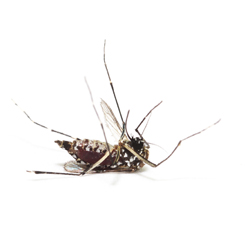
On February 1st 2016, the WHO declared the recent, unexpected surge in microcephaly and Guillain-Barré syndrome cases in South and Central America a global public health emergency. Although the cause has not been definitively identified, the evidence is mounting against the flavivirus Zika.
On February 2nd, F1000Research launched Zika & Arbovirus Outbreaks, an Open Science channel that publishes research and clinical findings on Zika and its vectors within days of submission, without publication fees. We have created this platform to help researchers and medics rapidly publish and access the findings that will help them combat this rapidly evolving outbreak.
All types of findings are encouraged including, but not limited to: basic biology, mechanisms of disease, vector biology and control, clinical case reports, epidemiological modelling, diagnostic test development, protocols, clinical trials, health policy and any other research relevant to Zika and other arboviruses.
The Zika outbreak
The current Zika outbreak caught the world by surprise in two ways. First was the sudden geographical expansion; it had quietly resided in Africa and SE Asia from its discovery 1947 until 2007 when it rapidly crossed the Pacific, causing outbreaks in Yap (2007) then French Polynesia (2013), before reaching the Americas a year later.
Second was the sudden change in symptomology; Zika was previously considered to be a relatively insignificant disease, occasionally causing a mild fever, conjunctivitis and not much more. Now it is implicated in far more serious conditions, specifically microcephaly, a neurodevelopmental condition, and Guillain-Barré syndrome, an auto-immune condition affecting the peripheral nervous system.
The research response to the Zika & Ebola outbreaks…
Data sharing was crucial in the Ebola response (Whitty et al. 2015) and has been incorporated into recommendations for the next pandemic (Moon et al. 2015), which is looking more and more likely to be Zika. Publishing in the Zika & Arbovirus Outbreaks channel is one way for researchers to rapidly and openly share their source data (as part of a Research Article or a short Data Note), so others can then reuse it to address other aspects of the outbreak.
There are important differences between the two outbreaks of course. Ebola is spread through direct contagion and so, aside from epidemiological modelling, the global research community primarily focused understanding the basic biology of the virus and its reservoir(s), vaccine development and drug repositioning (see our Ebola channel for examples). Similar lines of inquiry are being investigated for Zika but as it’s spread through the mosquitoes Aedes aegypti and albopictus, research into better controlling these two species will be especially important in quickly containing the outbreak.
…and preparing for the next one
This leads us to the channel’s name. Our original intention was to limit the scope to Zika. However, the two Aedes vectors that spread Zika also spread the yellow fever, dengue and chikungunya viruses. Another genus of mosquitoes, Culex, transmit the related Japanese encephalitis, Rift Valley fever and West Nile viruse, and attention needn’t be limited to those carried by mosquitoes; ticks are the other major diffuser of arboviral diseases, specifically tick-borne encephalitis and the Ebola-like hemorrhagic fever Kysanur Forest disease.
So research findings focusing on eliminating Zika by controlling Aedes populations will simultaneously help control most other arboviruses, and direct research on the Zika virus itself may also provide indirect benefits in understanding the biology of other rare flaviviruses such as Kysanur Forest disease virus. It is for these reasons that we expanded the channel’s scope beyond Zika or even flaviviruses in general, to cover all arboviruses.
None of these other arboviruses are current global health emergencies – but nor was Zika a few months ago. All have the potential to take us by surprise, and with climate change allowing their vectors to expand into regions where people have no immunity to these viruses, future major outbreaks are all the more likely. As such we have set up a rapid knowledge sharing platform that will not just help researchers tackle the current epidemic, but also prevent (or at least prepare us for) the next one.
———————————————-
This post has been reworded a little bit since it was first published under the heading: ‘The Zika & Arbovirus Outbreaks channel on F1000Research’
|
|
 previous post


