For those of us in the Northern Hemisphere, spring has just sprung and nothing signifies this season more than spring chickens. The feathered fowl generated quite a few headlines in February after researchers from the Roslin Institute at the University of Edinburgh published a paper in Development about producing gene-edited chickens as a way of preserving rare breeds. In a nod to this work, we are highlighting the top 3 recommended articles in the area of gene editing in this month’s blog post as well as the usual top 3 articles for the month and Hidden Jewels.
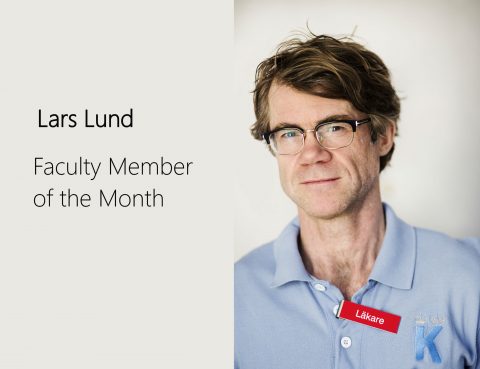
Lars Lund is February’s featured Faculty Member of the Month. He has been a Member of the Cardiovascular Disorders Faculty since April 2015. Faculty Members (FMs) are acknowledged experts invited to recommend the articles that are included in F1000Prime. They review the articles, write brief comments, and score the articles.
Happy Chinese New Year 2017 – The Year of the Rooster. To celebrate, we are highlighting the top 3 recommended articles by Chinese authors covering a wide range of topics in this month’s blog post as well as usual top 3 articles for the month and Hidden Jewels.
Today is World Cancer Day. In light of this, we asked Elaine Holmes, Member of our Pharmacology & Drug Discovery Faculty, to give us an overview of biomarkers of cancer. Globally, cancer is among the leading causes of death with the number of new cases projected to rise to 22 million over the next two decades. …
DeepMind is a British company that was formed in 2010 with the aim of creating artificial general intelligence and using it to tackle some of society’s toughest challenges. They recently published two Study Protocols on applying machine learning to health conditions on F1000Research. In this blog post, they summarise both projects and talk about the collaboration with hospitals as well as the future application of those machine learning techniques.
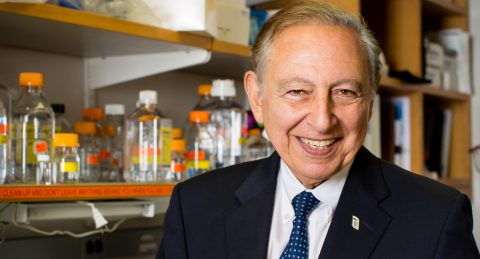
Today is annual World AIDS Day: an opportunity for people worldwide to unite in the fight against HIV, show their support for people living with HIV and to commemorate people who have died. We spoke to one of the Heads of our Infectious Diseases Faculty, Dr. Robert C. Gallo, who became world famous in 1984 for the co-discovery…
We are excited to announce the launch of F1000Prime’s newest Section: Exercise Physiology.
In this blog, our Director of Operations and Certified Personal Trainer Steven Lokwan Ph.D. explains why we decided to add this section and introduces the Section Heads as well as the inaugural Faculty Members.
We are barely into the post-summer conference and awards season and the Lasker Awards have landed! The awards recognise basic medical research, and clinical medical research respectively, acknowledging a maximum of three recipients. The 2016 Albert Lasker Basic Medical Research Award went to William G. Kaelin, Jr., Peter J. Ratcliffe and Gregg L. Semenza for the…
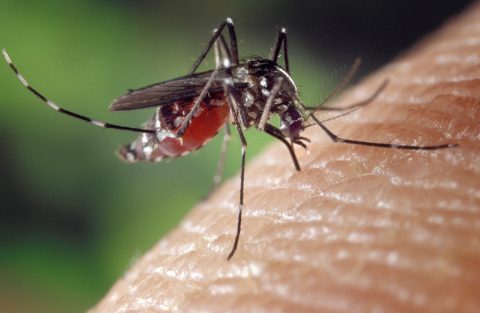
In response to the widespread outbreak of the Zika virus in Brazil, some health experts published an open letter in May, calling for the upcoming Olympics to be postponed or moved. Although the World Health Organization released a statement that the risk of Zika spreading by the Olympics would be low, some athletes have dropped out.…
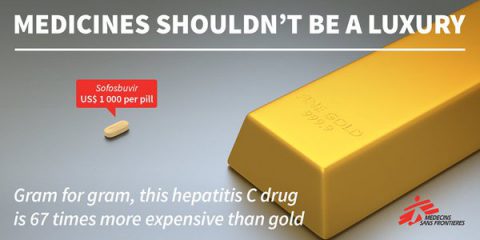
Today is World Hepatitis Day. This year sees the first ever World Health Organization’s Global Strategy for Viral Hepatitis, which sets a goal of eliminating viral hepatitis as a public health threat by 2030. In light of this, we spoke to Leena Menghaney and Jessica Burry of the MSF Access Campaign about the barriers to…